 info@sbpzambia.com






Sustainable Manufacturing Practices
uPVC pipe manufacturing incorporates several environmentally beneficial aspects that align with global sustainability goals:
Energy Efficiency:
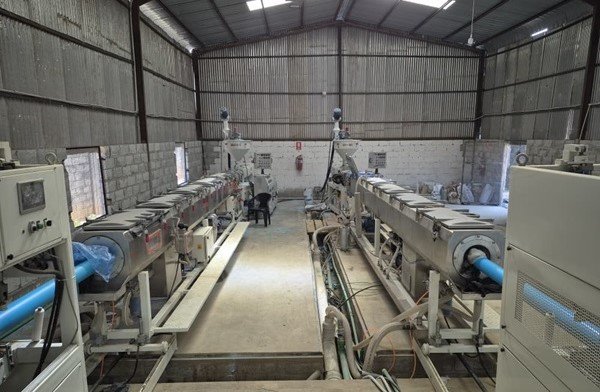
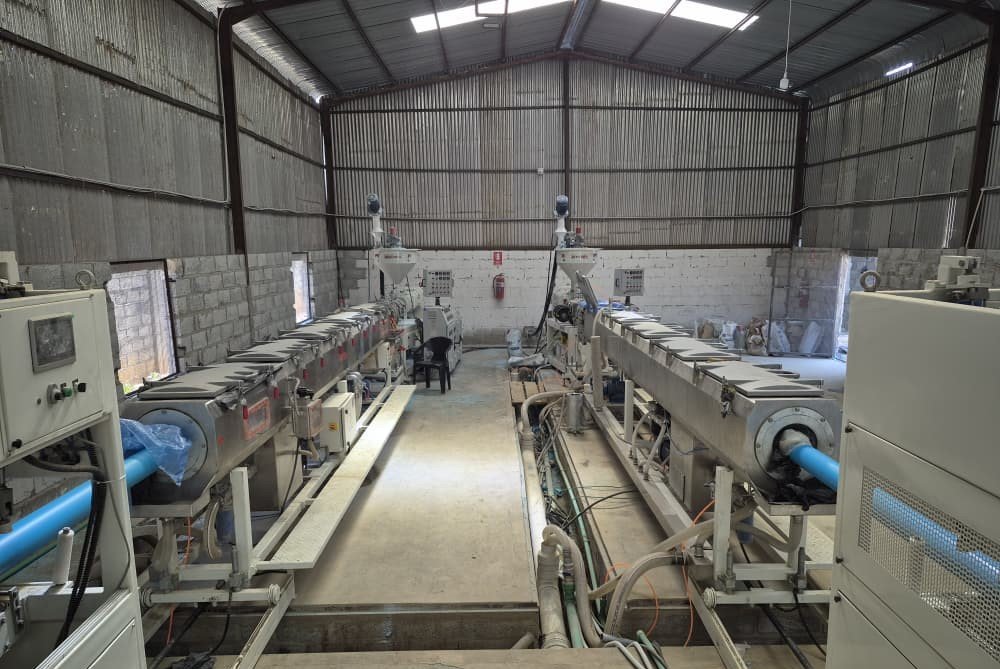
Modern uPVC pipe production is an energy-efficient process compared to alternative materials like metals or concrete. The extrusion process requires less energy than metal pipe manufacturing, contributing to a lower carbon footprint
Resource Conservation:
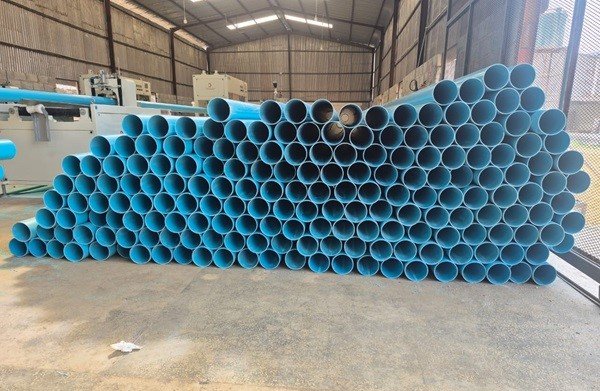
uPVC pipes have long service lives which reduces the need for replacement and conserves resources over the long term. Their smooth interior surface also reduces pumping energy requirements in water distribution systems.
Recyclability:
uPVC is fully recyclable, and manufacturing typically incorporates in-process recycling of trimmings and off-spec production. Post-consumer recycling programs further enhance the sustainability profile of uPVC pipes.
Water Conservation:
By providing leak-free water transmission, uPVC pipes help conserve water resources — a critical consideration in regions where water scarcity is a growing concern.